
Behind many of the authentic African products reaching the United States are cooperatives — groups of small producers, often women, who grow, press, weave, or harvest together. From shea butter pressed by women's cooperatives in Burkina Faso to cocoa grown by smallholder farmers in Ghana and Côte d'Ivoire, cooperatives are the quiet backbone of how African goods get made.
Why cooperatives matter
Cooperatives let small producers pool resources, negotiate fairer prices, and meet the volume and quality standards that export and diaspora markets demand. For a buyer in the United States, products that come through a cooperative often carry a clearer story of origin and a more reliable supply than goods assembled anonymously.
The journey to the U.S. shopper
The path isn't always simple. A shea nut becomes shea butter in a village in northern Ghana, travels to a city, gets packaged, crosses an ocean, and finally reaches a diaspora customer in Maryland. Each step adds cost and complexity — and too often, the people who did the hardest work see the smallest share.
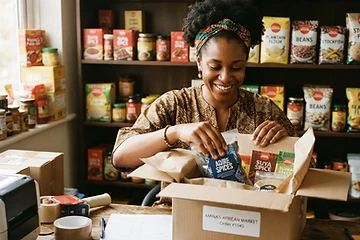
Digital marketplaces can shorten that distance. By connecting U.S.-based vendors who source directly from cooperatives to customers searching for authentic products, platforms help more of the value stay with the producers and give shoppers a story they can trust. (Learn more in From Africa to Your Doorstep.)
What to look for as a shopper
- Vendors who name the cooperative or region their products come from
- Products with transparent ingredient lists and clear origin labeling
- Direct-trade or fair-trade language you can verify
Choosing products with a traceable origin supports the cooperatives that make authentic African goods possible. Shop authentic products on Afriexomart.