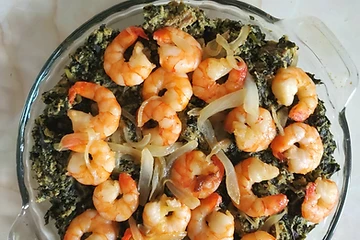

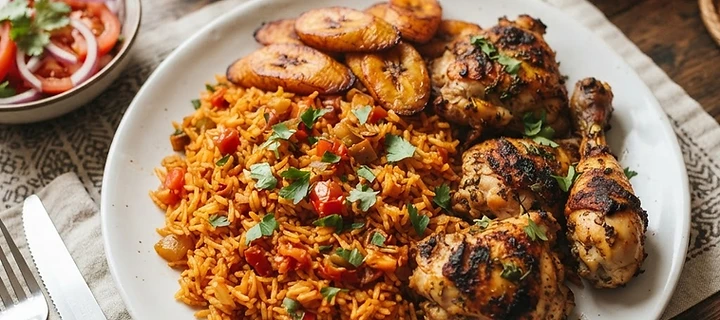
Walk into a food hall in Houston, a strip-mall restaurant in the Bronx, or a pop-up in Minneapolis, and you'll find something that would have been rare a decade ago: lines of people — African and non-African alike — waiting for jollof rice, suya, injera, and fufu. African cuisine in the United States has quietly moved from the margins to the mainstream, and the momentum is only building.
A diaspora that keeps growing — and bringing its table with it
The African-born population in the United States has grown significantly over the last two decades, with communities from Nigeria, Ethiopia, Ghana, Cameroon, Senegal, and Kenya putting down roots in metro areas across the country. (The U.S. Census Bureau tracks this growth in its American Community Survey.) Food is one of the most durable ways a diaspora holds on to home, so it's no surprise that demand for the flavors of childhood — and the ingredients that make them — has grown with these communities.
Americans are discovering the menu
What's changed more recently is who's eating. African restaurants have become far more visible in cities like New York, Washington D.C., Atlanta, Houston, Chicago, and the Twin Cities, introducing jollof, suya, doro wat, and pepper soup to diners who didn't grow up with them. Food creators on social media have accelerated the shift, walking millions of viewers through the dishes of their heritage and translating them for curious cooks.
A continent, not a cuisine
It's worth saying plainly: "African food" is not one thing. Africa is 54 countries and thousands of culinary traditions. A few dishes have become unofficial ambassadors:
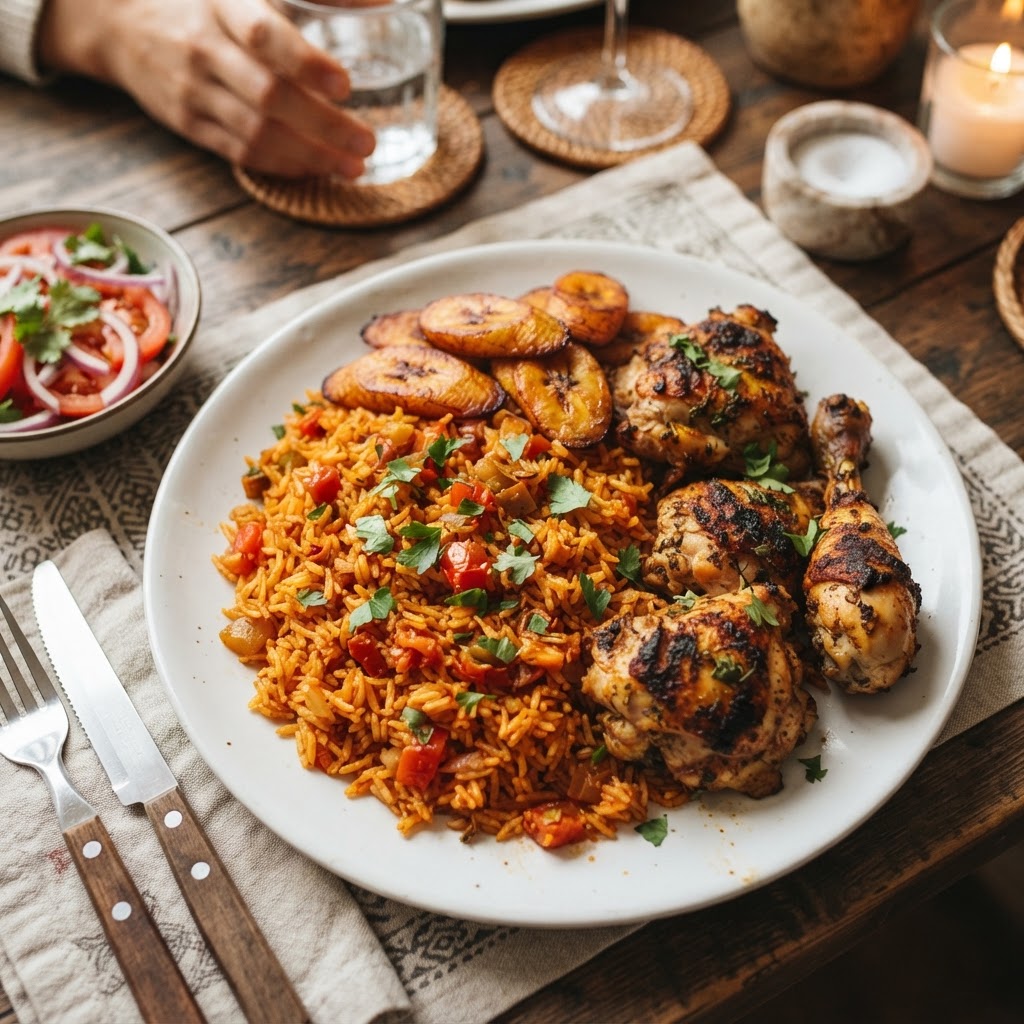
- Jollof rice (Nigeria, Ghana, Senegal) — a one-pot rice in tomato-pepper stew, the subject of friendly regional rivalries.
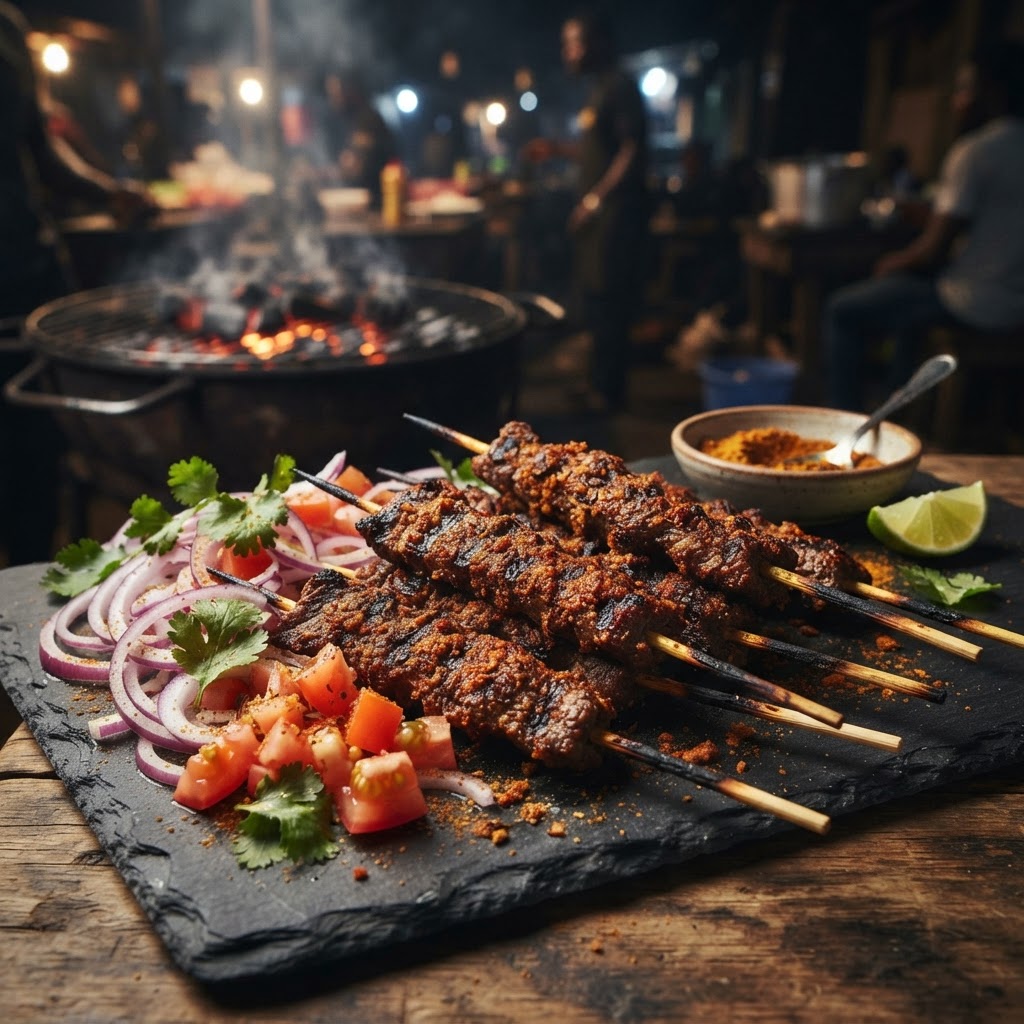
- Suya (Nigeria, West Africa) — spicy grilled meat skewers dusted with a peanut-spice blend called yaji.
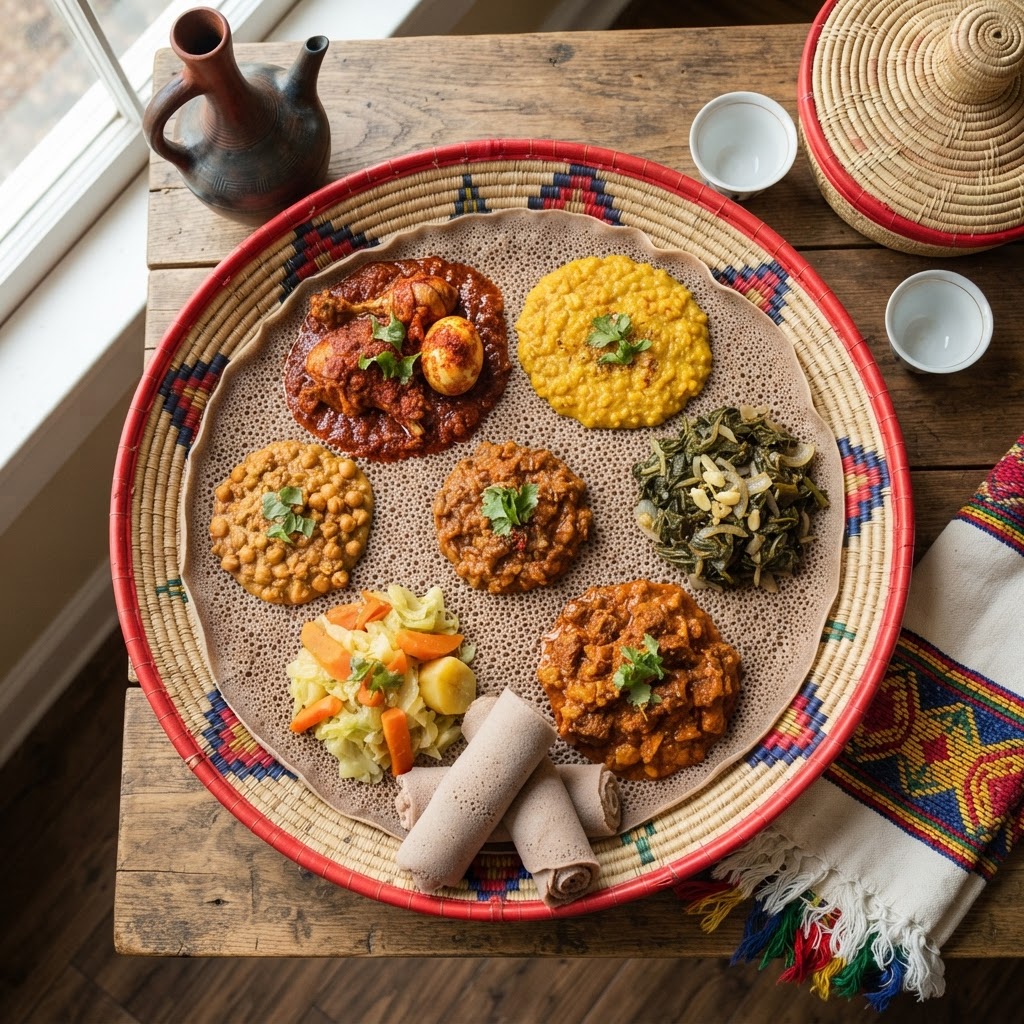
- Injera and wat (Ethiopia, Eritrea) — a spongy sourdough flatbread served with rich stews like doro wat.
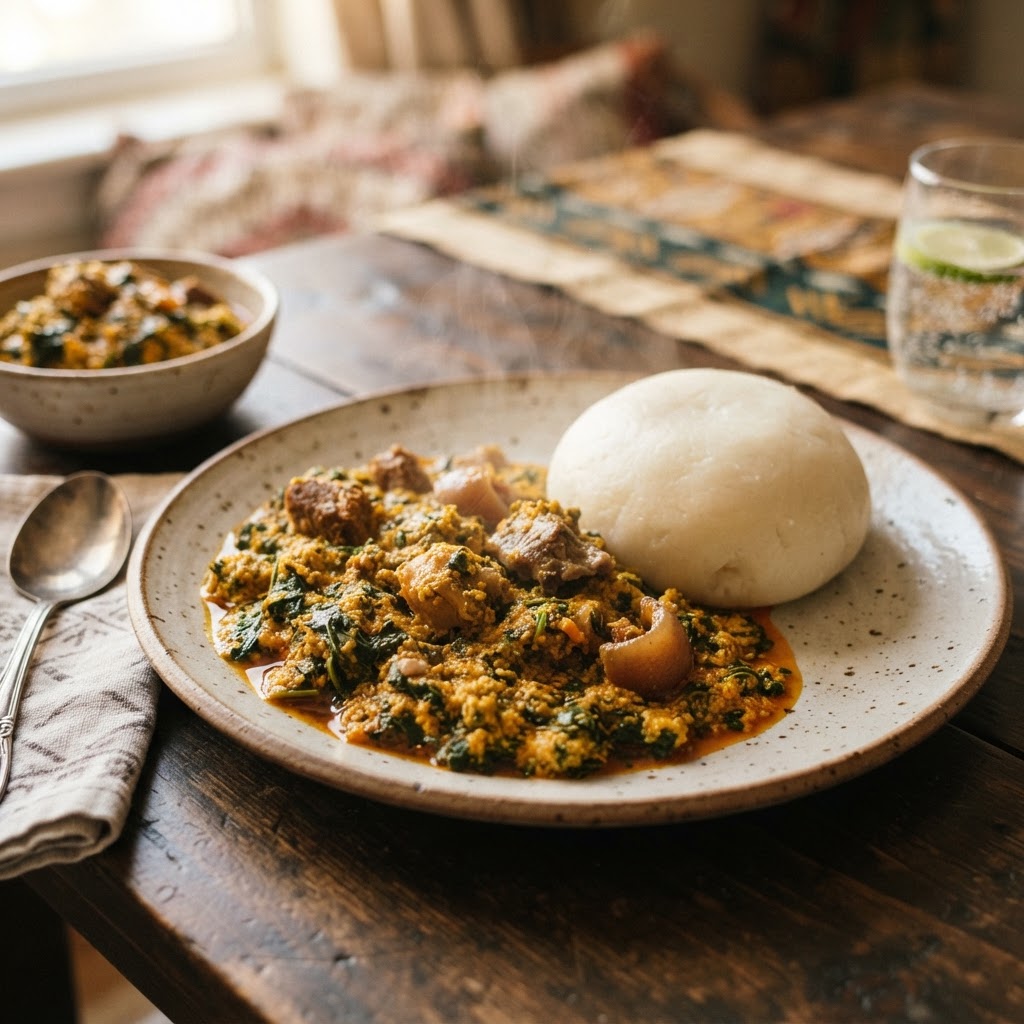
- Fufu and egusi or efo (Nigeria, West Africa) — pounded starch served with melon-seed or leafy-green soups.
- Ndolé (Cameroon) — a bitter-leaf stew with peanuts and often shrimp or meat.
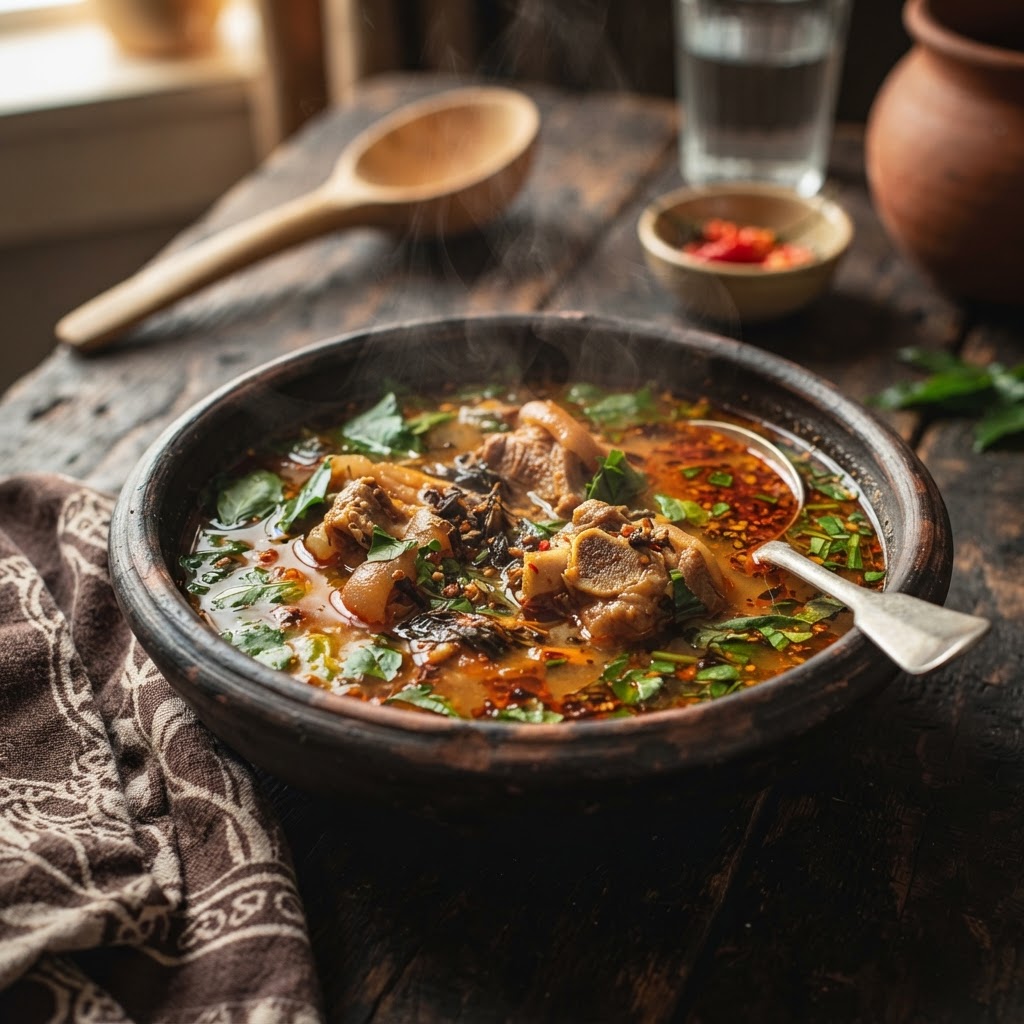
- Pepper soup (Nigeria, Cameroon) — a light, aromatic, spicy broth, usually with fish or goat.
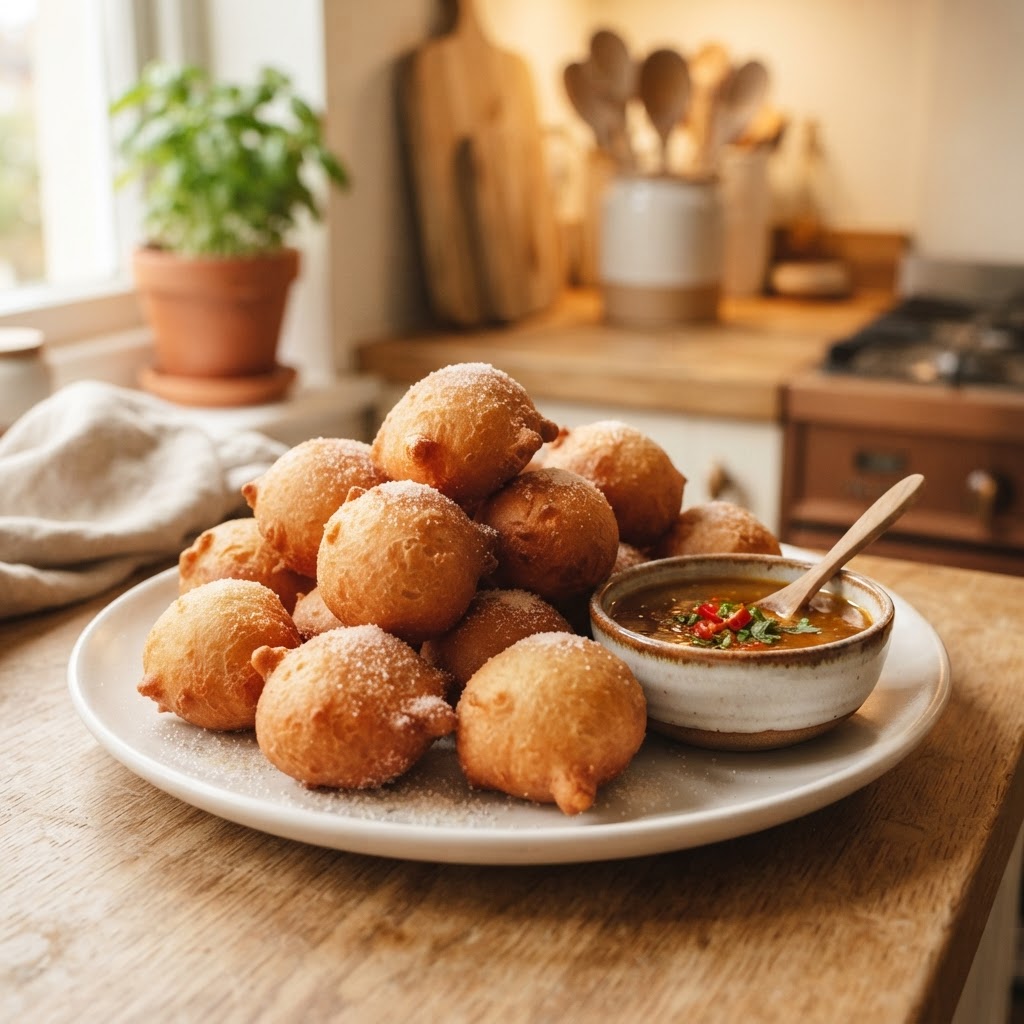
- Puff puff — golden fried dough, a celebration staple across West and Central Africa.
- Plantains — fried, boiled, or baked, the everyday side that travels with nearly every cuisine.
From street food to celebration food
Some dishes are everyday; others belong to celebrations. Suya skewers sizzle at street corners and backyard parties. Pepper soup is the first thing many people reach for when they're feeling under the weather or gathering with close friends. Puff puff — golden fried dough — is the unannounced guest at every West and Central African party.
The hunt for authentic ingredients
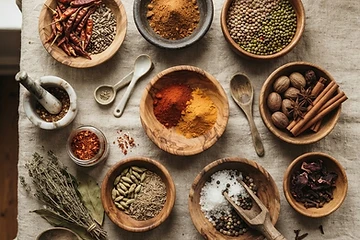
Interest is one thing; access is another. Even in cities with large African communities, finding authentic ingredients can mean driving across town to a small specialty shop that may or may not have what you need on the shelf. Palm oil, garri, dried fish, specific spices, yam flour, and ready-made treats like chin chin and puff puff are the everyday essentials that mainstream stores rarely stock.
This is where restaurants, caterers, food entrepreneurs, and specialty grocers matter most — and where an online marketplace can change the experience entirely. Read more in our guide to African pantry essentials and how to shop for authentic African products online.
An opportunity for vendors
Rising demand is an opening for African grocery stores, restaurants, caterers, and food producers in the United States. The customers are already searching; the challenge is being found. Many small vendors still rely on word of mouth and a single physical location. A digital storefront puts your products in front of people beyond the ones who already know where you are.
If you run an African food business, see our practical vendor's guide to selling African groceries online.
Whether you grew up with these flavors or are tasting them for the first time, Afriexomart connects you with African-owned vendors across the United States.
The road ahead
The rise of African cuisine in America isn't a trend that will peak and fade — it's the slow, steady normalization of a continent's food taking its place at the American table. As more cooks, restaurants, and vendors gain visibility, the easier it becomes for everyone to find the flavors they're looking for.
Ready to stock your pantry or try something new? Shop African groceries on Afriexomart. Run an African food business? Join the Afriexomart marketplace.